Are you planning for a Caravan Trip?
If Yes, this article is for you.
Before you plan, read through the Caravan Care Tips in this article for a smoother and safer adventure.
There’s nothing quite like traveling with your caravan and exploring new places at your own pace.
You can choose where to go, stop when you like, and enjoy the changing views along the way.
To enjoy your trip fully, it’s important to keep your caravan in good condition. Checking it before, during, and after your travels helps keep you comfortable and safe.
A little preparation can prevent problems like uneven loading or missing important safety features such as Electronic Stability Control.
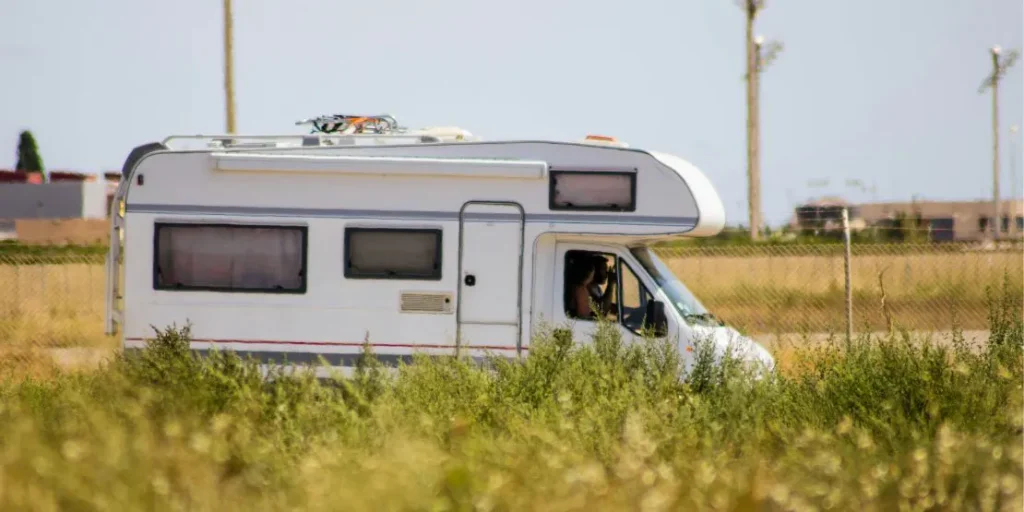
Planning ahead also helps. Pack only what you need, keep things organised, and drive at steady speeds for a smoother trip.
When your caravan is well looked after, you can relax more and enjoy the small towns and open roads.
Taking care of your caravan isn’t just a task—it necessary to make sure you enjoy both the journey and the destination.
1. Pre-Travel Maintenance
Before setting off on a caravan adventure, it’s smart to give your vehicle a proper once-over. Start by checking the engine.
If the engine isn’t in top shape, you risk both breakdowns and costly repairs. Look at the oil level, listen for any odd noises or vibrations, and inspect the cooling, air filter, and oil filter systems if needed.
Don’t stop there—tyres can make or break your trip. Take a close look for signs of wear, cracks, or punctures.
Make sure the air pressure and tread depth are within safe limits so you’re not caught out on the road.
The brakes need your attention too. Ensure the brake fluid is topped up and check everything’s in good working order, especially if you’re headed anywhere hilly or the weather’s looking rough.
It’s also worth checking your caravan’s water, electrical, and plumbing systems. Run the water pump, fill up the tanks, and look out for leaks or blockages.
A clean water filter helps keep your supply safe to drink. On the electrical side, check the battery’s charge and make sure all connections and fuses are secure.
Sorting these basics ahead of time means you’re less likely to be left in the dark or without the essentials.
Taking care of these checks helps prevent unexpected problems and keeps your travels running smoothly.
With a bit of practical preparation, you can hit the road with confidence and actually enjoy the journey—not just worry about what might go wrong.
2. Packing and Load Management
Keep things simple with packing; sticking to the essentials makes life on the road much easier.
For food, just bring a few non-perishables in case you’re ever caught out, then plan to top up fresh produce as you go.
Local markets and roadside shops are brilliant for discovering what each area has to offer—plus, shopping along your route stops your caravan turning into a rolling pantry
Pack your clothes based on the weather forecast for your journey, and try to keep it to just what you’ll actually wear.
If you find you’re missing something, you can always pick it up on the way. Less clutter means a tidier caravan and a lot less hassle shifting bags around every day.
How you load up your caravan is key to safe travel. Spread the weight out so it’s evenly balanced, and keep the heavy items low down and close to the axle.
This helps keep your caravan steady, especially on corners and in windy conditions, and stops that worrying sway you sometimes see on the road.
Adding stabilisers or an anti-sway system to your setup helps as well, giving you extra support against gusts and lumpy roads.
Get your load balance right, and the drive instantly feels safer and more relaxed, letting you enjoy your trek properly.
3. On the Road Strategies
One of the best ways to keep your caravan journey light and stress-free is to buy food as you go.
Stock up on just the bare essentials—think long-life milk, tinned goods, and a bit of pasta—then treat yourself to fresh fruit, veg, and local specialities from markets or roadside stalls.
This not only saves space but also gives you the chance to try whatever’s good that week. You really can’t beat new flavours for turning a meal into a proper memory.
Staying safe while driving deserves your full attention. Slow down if the weather turns tricky or the road gets a bit rough, whether that’s rain, wind, or just one too many potholes.
Driving at about 90 km/h hits that sweet spot: it’s gentle on your car and caravan, cuts down on fuel use, and helps you stay relaxed behind the wheel. Less rushing, more enjoying—the whole point of a caravan adventure, really.
Treat each bit of the drive as part of the holiday. Give yourself permission to pull over for a cuppa, admire the view, or just stretch your legs.
By shifting your mindset, you’ll find the journey itself brings just as much satisfaction as any campsite or destination.
4. Post-Travel Maintenance
After coming back from a trip, a bit of attention goes a long way to keep your caravan in good nick for the next adventure.
Start with the engine. Long stretches on the road can mean your oil levels drop, so give them a check and top up if needed.
Let the engine cool fully before inspecting, and make sure the air filter isn’t clogged with dust.
Tyres are next. Look over the tread for any signs of cracks or objects stuck in the rubber that could cause a slow puncture.Long drives wear them out more than we like to think, so don’t leave it for next time.
For brakes, quickly glance at the fluid level and see if things feel right when you move the caravan. Keeping on top of this can save headaches later.
Fresh water is a must, so clean your caravan’s water tanks after each trip.
Drain them, give the system a rinse, and remember to swap out the water filter if it’s been a while. A quick leak check on pipes takes just a moment and stops future surprises.
The electrical setup needs looking over, too. Check that all connections are secure, and see how the battery’s holding up.
Flick the switches—everything working as it should? Small fixes here mean fewer hiccups next time out.
Have a good clean inside. Get into corners, hoover the seats and carpets, and put everything back where it belongs.
Arrange your gear so you’re not greeted by clutter on your next holiday. Pop the windows open for a bit to help dry everything out and stop any musty smells.
If parking up for a while, especially over winter, some extra care pays off. Keep the inside well aired, and if you can, take weight off the tyres by raising the caravan a little.
A weatherproof cover helps shield the exterior from moisture and grime, stopping rust before it starts.
With these steps, your caravan will be ready and raring to go when you are.
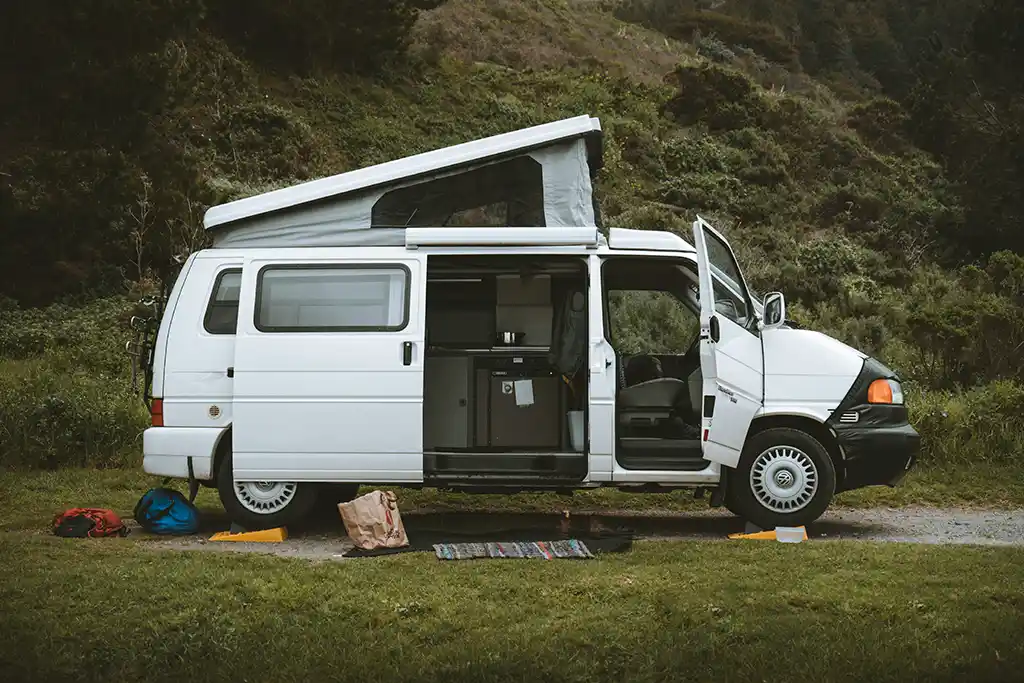
You can customize your caravan roof to add a tent. But make sure you check the structural strength of the roof.
5. Essential Safety Features
Fitting stabilisers and anti-sway systems makes a real difference to how safe your caravan feels out on the road.
These clever devices help keep things steady, especially when you hit a patch of strong wind, bumpy roads, or need to pick up the pace a bit.
By reducing side-to-side movement, stabilisers and anti-sway kits make it much easier to keep the caravan tracking behind your car.
The upshot? Less risk of swaying or unexpected wobbles, and far fewer hair-raising moments.
Electronic Stability Control, or ESC, is showing up more and more in modern caravans.
This bit of tech notices when your wheels are starting to slide, then steps in by braking individual wheels just enough to help keep everything lined up.
It comes into its own during sharp turns, emergency swerves, or on slippery stretches, lending you a bit of extra confidence when you most need it.
Having both mechanical stabilisers and ESC working together gives you extra confidence.
They keep your trip smooth and safe, so you can actually enjoy the scenery rather than fretting about what your caravan’s doing behind you.
6. Seasonal and Long-Term Storage Tips
Getting your caravan ready for long-term storage is mostly about keeping it dry and stopping rust.
Clean the inside well and let it air out. Leaving windows slightly open, but covered to block dust, helps keep things fresh.
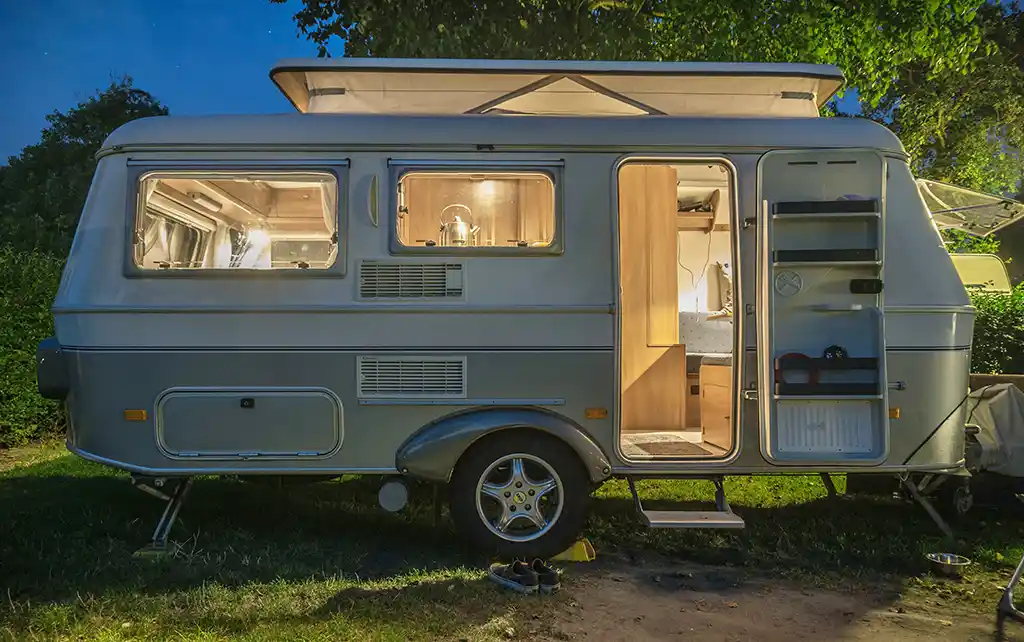
If the storage spot is damp, use silica gel packs or a small dehumidifier. Check windows, doors, and roof lights for leaks—fixing them now prevents mould later.
Take care of the outside too. Wash and wax the paint, and spray metal parts to prevent rust. Lift the caravan so the tyres don’t touch the ground, keeping them safe from damage or going flat. Caravan covers can help protect against rain, sun, and dirt.
For winter storage, drain all water from tanks, pipes, and the toilet. Add a little anti-freeze where water can’t be fully removed to prevent freezing and cracks.
Remove the battery and store it somewhere cool and dry, charging it now and then. Turn off the gas supply and store gas bottles safely away from the caravan.
Doing these simple steps keeps your caravan in great shape, ready for your next adventure without problems.
During such caravan trips, reading travel books will inspire you more.
I hope you found these caravan travel tips helpful.
Share this with someone who is planning to start their caravan road trip