Nepal is home to eight of the world’s fourteen highest mountains, so it’s no surprise that most people visit for the Himalayas. But anyone who has spent a few days trekking in Nepal knows the mountains are only part of the story.
In reality, the trails introduce you to much more than the Himalayas – traditional villages, forests, rivers, local culture and landscapes that change with every day’s walk.
The journey unfolds gradually. One day you may be walking through terraced fields and rhododendron forests, crossing suspension bridges over fast-flowing rivers.
A few days later, the trees give way to alpine meadows, rocky valleys and snow-covered peaks. This constant change is what makes trekking in Nepal so rewarding.
Every Region Has Its Own Specialty
Nepal has some of the world’s best trekking routes, each with its own landscapes, culture and communities.
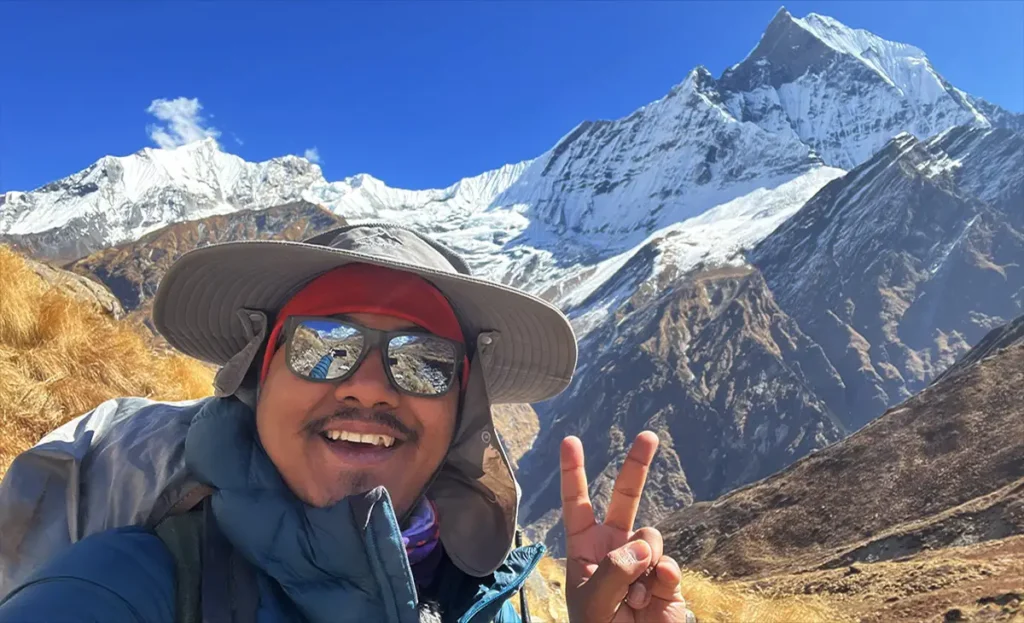
The Everest region is known for its Sherpa culture and some of the world’s highest peaks, including Mount Everest, Lhotse and Ama Dablam.
The Annapurna region combines forests, traditional villages, high mountain passes and diverse landscapes within a relatively compact area.
While the Everest and Annapurna regions attract most trekkers, the Manaslu Circuit Trek in Nepal offers a quieter trail with fewer crowds and equally rewarding mountain scenery.
The Langtang Valley is another excellent option, especially for those looking for a shorter trek without missing out on Himalayan views and local culture.
In eastern Nepal, the Kanchenjunga region appeals to trekkers looking for remote wilderness and fewer crowds. I haven’t had the chance to explore this region from the Nepal side yet, although I was fortunate to enjoy close-up views of Kanchenjunga during my Goechala Trek in India.
Once you start trekking in Nepal, whether it’s your first trek or your fifth, you’ll find that no two routes feel exactly alike.
The Villages Are Just as Memorable as the Mountains
The mountains may be the highlight of every itinerary, but the people often leave the strongest impression.
Most trekking routes are lined with locally run tea houses that provide simple accommodation and freshly prepared meals.
After a full day on the trail, these dining rooms become places where trekkers from around the world share stories, compare routes and exchange travel tips over a hot meal or a cup of tea.
Walking through these villages also offers an opportunity to experience Nepal’s cultural diversity. Depending on the region, you’ll come across Buddhist monasteries, prayer wheels, mani walls, colourful prayer flags and communities whose traditions have remained closely connected to the mountains for generations.
If your trek coincides with festivals such as Tihar, you’ll get to experience another side of Nepal. Traditional songs, dances and community celebrations add a different dimension to the journey. I was fortunate to witness these celebrations during my Annapurna Base Camp Trek in 2023.
Manaslu Circuit Trek for a Quieter Himalayan experience
While Everest and Annapurna remain the most popular trekking regions, many experienced trekkers now look for routes that offer a quieter experience.
One of the best options is the Manaslu Circuit Trek, which circles Mount Manaslu (8,163 metres), the eighth-highest mountain in the world, before crossing the Larkya La Pass at 5,160 metres.
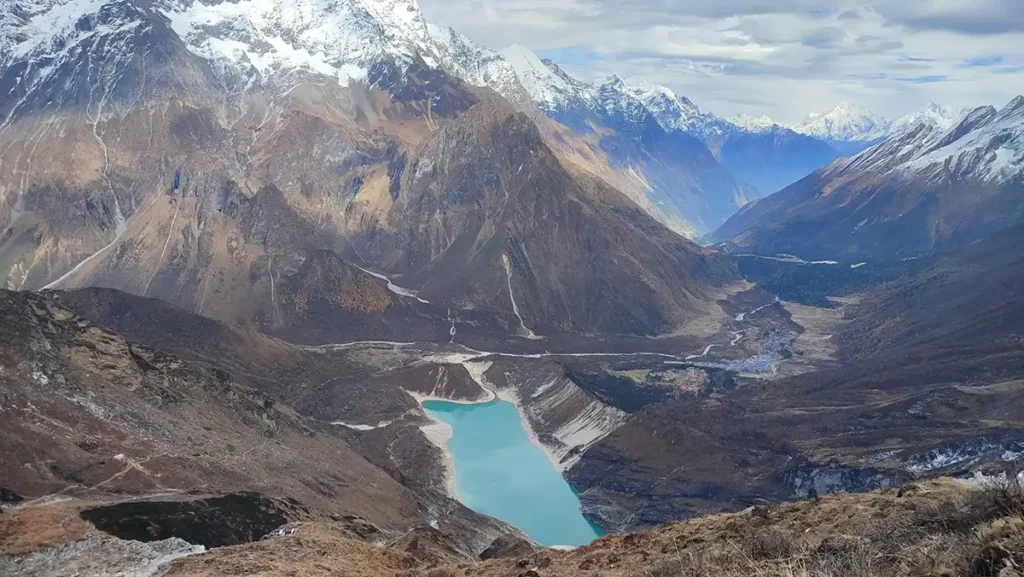
Along the way, trekkers pass through forests, deep river valleys, traditional villages and centuries-old monasteries.
Because the Manaslu region is a restricted area, a special permit and a licensed guide are required.
The permit system has helped preserve the region’s culture while keeping visitor numbers lower than on many of Nepal’s more popular trekking routes.
For those seeking a longer trek with fewer crowds and a stronger sense of wilderness, Manaslu is an excellent choice.
The Langtang Valley: A Shorter Alternative
Not everyone has the time for a two-week trek, and that’s where the Langtang Valley Trek stands out.
Located north of Kathmandu, Langtang combines glacier-fed rivers, forests, yak pastures and mountain views in a shorter itinerary. The trail passes through Tamang villages where visitors can learn about local culture while enjoying spectacular Himalayan scenery.
For first-time trekkers or travellers with limited time, Langtang offers a rewarding introduction to trekking in Nepal without requiring a lengthy expedition.
Preparing for the Trail
Good preparation is one of the keys to enjoying any Himalayan trek.
Before choosing a route, consider its highest altitude, duration and level of difficulty.
Treks that climb above 3,000 meters require proper acclimatization, as gaining altitude too quickly increases the risk of altitude sickness.
Packing appropriate clothing is equally important. Weather conditions can change rapidly in the mountains, making warm layers, waterproof clothing and sturdy trekking boots essential.
Spring (March to May) and autumn (September to November) are generally regarded as the best seasons for trekking, thanks to their stable weather, comfortable temperatures and clear mountain views.
The Moments You’ll Remember
The most memorable parts of a trek are often the simplest ones: watching the first light reach the surrounding peaks, standing quietly beside fluttering prayer flags, reaching a tea house after a long day’s walk or crossing a suspension bridge above a roaring river.
Reaching a tea house after hours of walking and sharing stories with fellow trekkers over dinner. Crossing a suspension bridge while listening to the roar of the river below.
These moments aren’t always listed in trekking itineraries, yet they’re often the ones people remember long after returning home.
Trekking also gives you time to notice the small details – the changing landscapes, conversations with local people and the quiet rhythm of life in the mountains.
Why So Many People Return
Many travellers visit Nepal expecting it to be a once-in-a-lifetime trip. Instead, they leave planning their next trek.
With routes ranging from the well-known Everest and Annapurna regions to quieter trails like Manaslu and Langtang, there’s always another landscape, community or mountain valley waiting to be explored.
The seasons also bring different experiences. Spring colours the hillsides with blooming rhododendrons, autumn offers some of the clearest mountain views of the year, while winter rewards prepared trekkers with peaceful trails and snow-covered scenery.
Summing it up
The mountains are what bring most people to Nepal. But after a few days on the trail, you begin to realize that the journey is about much more than the views.
It’s the warmth of a tea house after a long day’s walk. It’s arriving in a village during a local festival. It’s watching the first light touch the peaks while prayer flags flutter in the mountain breeze. These are the moments that stay with you long after the trek is over.
My trek to Annapurna Base Camp in 2023 made me fall in love with Nepal. I’m already looking forward to returning, and if all goes to plan, the Manaslu Circuit Trek will be my next Himalayan adventure.